

Each year, from January 18 through January 25, the Catholic Church observes the Week of Prayer for Christian Unity. During these eight days, Catholics and other Christians around the world are invited to pray that all who believe in Christ may grow closer in faith, charity, and unity.
For many Catholics, this observance passes quietly. Yet the Church considers this week deeply important — especially in times when division feels close to home, within families, communities, and even within our own hearts.
This article explains:
-
what the Week of Prayer for Christian Unity is
-
why the Catholic Church observes it
-
how Catholics can participate at home
-
and why this prayer matters today
What Is the Week of Prayer for Christian Unity?
The Week of Prayer for Christian Unity is an annual eight-day period of prayer dedicated to asking God for unity among all Christians.
According to the United States Conference of Catholic Bishops, this week invites Christians throughout the world to pray for visible unity, responding to Jesus’ prayer at the Last Supper: “that they may all be one” (John 17:21).
The bishops explain that resources for this week are prepared through international ecumenical cooperation and shared with dioceses and parishes so that Catholics may participate prayerfully and thoughtfully.
You can read the USCCB’s explanation here:
https://www.usccb.org/committees/ecumenical-interreligious-affairs/international-week-prayer-christian-unity
Why January 18–25?
The Week of Prayer for Christian Unity is observed between January 18 and January 25, ending on the Feast of the Conversion of St. Paul.
These dates were originally chosen to connect symbolically to feasts honoring St. Peter and St. Paul, pillars of the early Church. Together, they remind us that unity is rooted both in faithfulness to Christ and in ongoing conversion of heart.
Why Does the Catholic Church Observe This Week?
Jesus Himself prayed for unity among His followers. The Church understands this prayer not as a suggestion, but as a responsibility.
Unity does not mean ignoring differences or compromising truth. Rather, it means:
-
seeking peace instead of division
-
approaching others with humility
-
allowing God to change hearts, beginning with our own
The Church teaches that true Christian unity begins with prayer — patient, sincere prayer that entrusts the work to God.
Why This Week Matters Today
Many Catholics today experience division not only in society, but within families and communities.
The Week of Prayer for Christian Unity invites us to step back from arguments and return to prayer. It reminds us that:
-
we are not responsible for fixing every division
-
God works quietly and often unseen
-
prayer changes hearts in ways words cannot
This week is especially meaningful for those praying for peace within their families or for loved ones who have drifted from the faith.
How Catholics Can Observe This Week at Home
The Church encourages simple, faithful participation. You do not need to attend a special service.
Catholics can observe this week by:
-
including prayers for unity in daily prayer
-
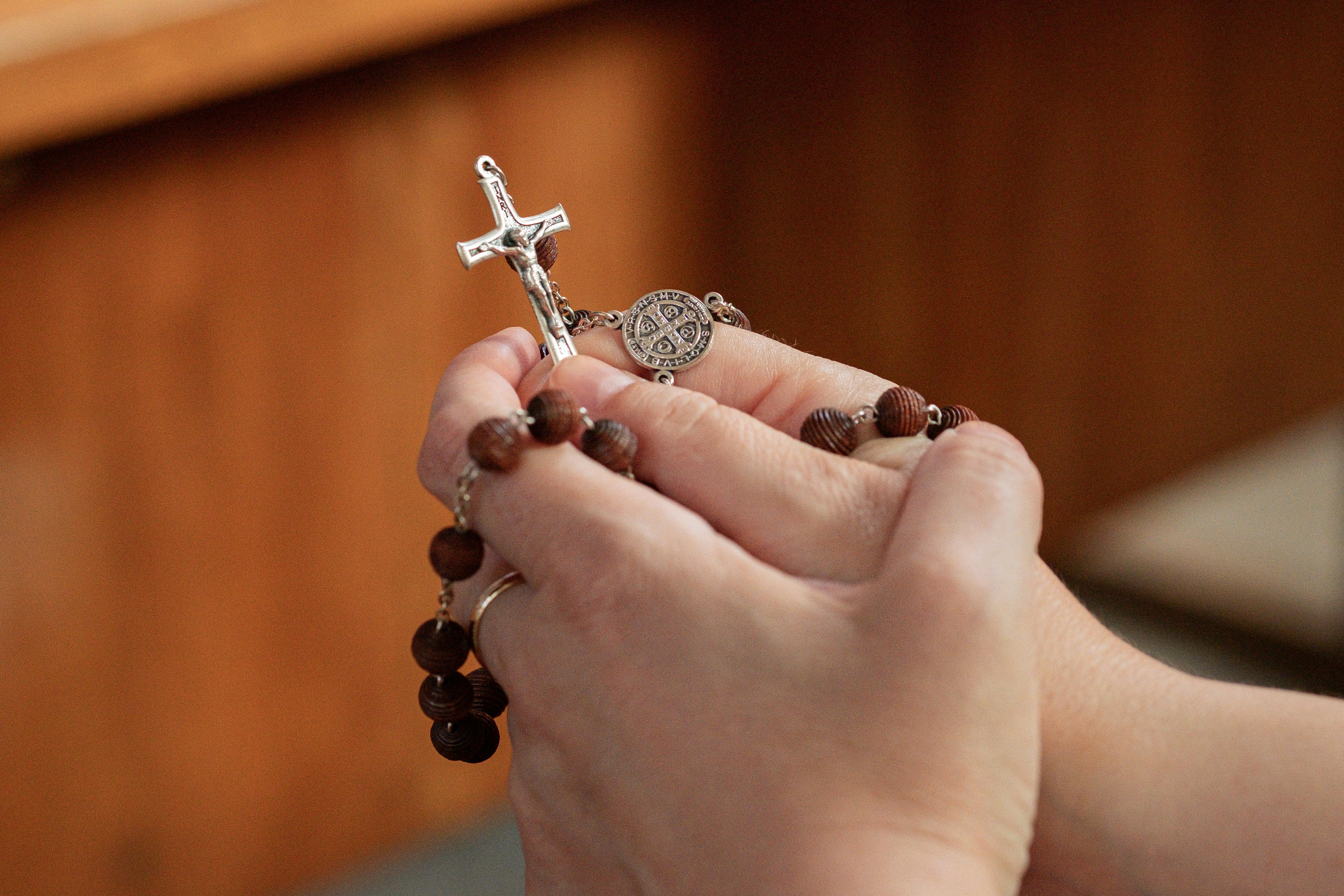
offering a Rosary or other devotional prayer for peace
-
asking God for patience and charity in personal relationships
-
praying for conversion of heart — beginning with our own
Even small prayers, offered faithfully, are powerful.
A Traditional Catholic Prayer for Christian Unity
The following prayer reflects the Church’s intention for unity and peace and is commonly used during this week:
Lord Jesus Christ,
who said to Your Apostles,
“Peace I leave you, My peace I give you,”
look not on our sins, but on the faith of Your Church,
and graciously grant her peace and unity
in accordance with Your will.Who live and reign forever and ever.
Amen.
— From the Roman Missal (Rite of Peace)
A Quiet Invitation
The Week of Prayer for Christian Unity reminds us that God works patiently. Unity begins not in debate, but in prayer — often in ways we will never fully see.

1 comment
Laurie Hecht
Our church didn’t cover this, but it’s wonderful.
I’m going to pass it along to my fellow “church ladies.”
Blessings.
Our church didn’t cover this, but it’s wonderful.
I’m going to pass it along to my fellow “church ladies.”
Blessings.